


- Hurry! Before Our Lease Specials End
- View Lease Specials
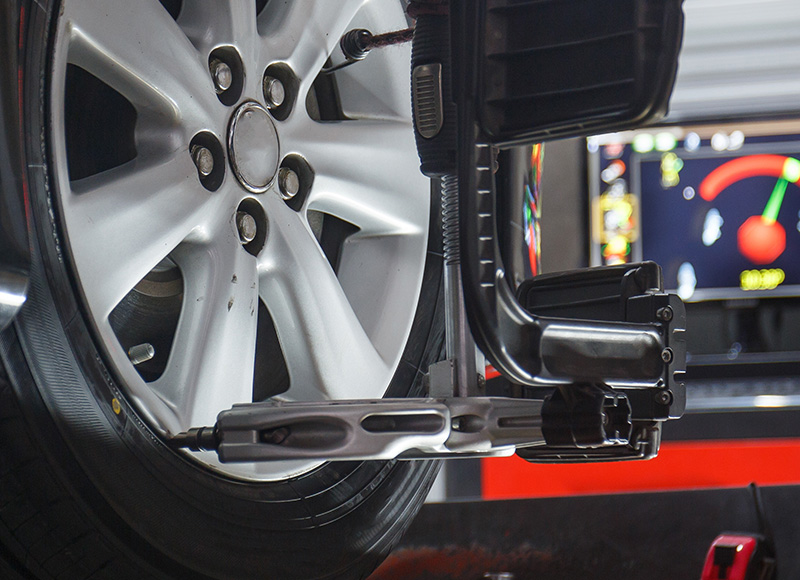
If your Acura feels a little different lately, the issue may not be dramatic at first. Maybe the steering wheel sits slightly off-center on the way down the freeway. Maybe the vehicle drifts just enough that you keep making small corrections. Maybe the tires seem to be wearing faster than they should. These small changes can point to something simple but important: wheel alignment.
For Acura drivers, alignment matters because the driving experience is supposed to feel composed, confident, and precise. When alignment is off, even by a little, that polished feel can start to fade. A routine alignment check can help protect ride comfort, preserve tire life, and keep your Acura feeling stable on everyday roads around San Diego, CA.
What wheel alignment means in plain language
Wheel alignment is the adjustment of how your wheels are positioned in relation to the road and to each other. In everyday terms, it helps your Acura travel straight, respond predictably, and put even contact across the surface of the tires.
A lot of drivers assume alignment is only something to think about after a major repair or when buying new tires. In reality, alignment can shift gradually over time through normal driving. You may not notice it all at once. Instead, the change often shows up as a steering feel that is less settled, a ride that feels less smooth, or tire wear that looks uneven from one side to the other.
Why alignment matters for Acura handling and ride comfort
Acura vehicles are built to feel refined and responsive. That means small changes in steering or road feel can be more noticeable than many drivers expect. When alignment is correct, your Acura tends to feel calm and planted, whether you are moving through city traffic, merging onto the highway, or heading across San Diego for your daily routine.
When alignment is off, the vehicle may feel like it is working against you. You may notice a subtle pull, a less settled ride over uneven pavement, or the sense that the steering never quite returns to center the way it should. Even if the change feels minor, it can take away from the smooth, controlled character many Acura owners appreciate.
How alignment affects steering and stability
Predictable steering matters every time you drive. You want your Acura to respond cleanly when you turn, track straight when the road opens up, and feel stable when traffic suddenly shifts around you.
Poor alignment can interfere with that confidence. A vehicle that pulls left or right, a steering wheel that no longer sits straight, or steering that feels twitchy or less precise can all point to alignment trouble. These symptoms are not always dramatic, but they can make everyday driving more tiring because you are constantly making small corrections instead of letting the vehicle track naturally.
The connection between alignment and Acura tire wear issues
One of the clearest reasons to stay ahead of alignment service is tire wear. When the wheels are not properly aligned, the tires may not meet the road evenly. That uneven contact can wear down parts of the tread faster than the rest.
This is where many Acura tire wear issues begin. Drivers sometimes notice one edge of the tire wearing faster, or they realize the tires are aging unevenly long before expected. In some cases, the vehicle still seems drivable, so the problem is easy to ignore. But tires often tell the story before the steering does.
An alignment check helps identify whether unusual wear is being caused by how the vehicle is tracking. Catching that early can help you avoid putting unnecessary wear on a set of tires that should be lasting longer and performing better.
Why alignment also affects braking confidence and everyday drivability
Wheel alignment is not just about whether the vehicle goes straight. It also plays a role in how settled and composed your Acura feels during everyday inputs, including braking and lane changes.
When the chassis feels balanced, the vehicle tends to respond more naturally. When alignment is off, the driving experience can feel slightly unsettled. That may show up as added sensitivity over rough pavement, a feeling that the car does not quite track cleanly under braking, or vibration that appears at certain speeds. These issues do not always mean alignment is the only cause, but alignment is one of the first things worth checking because it influences so much of the overall feel behind the wheel.
What causes wheel misalignment in San Diego driving
Alignment issues are not limited to severe accidents or obvious damage. In many cases, they come from the kind of driving conditions people deal with every week.
In San Diego, potholes and rough pavement can create sharp impacts that gradually knock alignment out of place. Curbs are another common cause, especially during parking maneuvers when a tire hits harder than intended. Speed bumps, steep driveways, and abrupt dips can also add stress over time, particularly when taken too quickly. Construction zones and broken pavement can be just as hard on suspension and steering components, even when the contact feels routine in the moment.
The challenge is that many of these impacts do not seem serious at first. You drive away and everything appears fine. Then weeks later, the steering feels a little off or the tire wear starts to look uneven.
Signs your Acura may need an alignment
Acuras often communicate alignment problems in subtle ways before they become obvious. Paying attention to those signs can help you address the issue early.
One of the most common clues is the vehicle pulling left or right when you want it to track straight. Another is an off-center steering wheel, where the wheel no longer sits level even when you are driving on a straight road. Uneven or rapid tire wear is another major warning sign, especially when one edge of the tread looks more worn than the rest.
Some drivers also notice steering that feels loose, overly sensitive, or less responsive than usual. Others feel vibration at certain speeds and assume it is only a tire issue, when alignment may also be part of the overall problem. None of these symptoms should be ignored for long, especially if more than one appears at the same time.
How routine alignment checks help protect tire life
Routine alignment checks are one of the simplest ways to help your Acura tires wear more evenly. They can also help preserve the smooth, driver-focused feel that many owners value.
This is especially helpful if your daily routes include uneven pavement, frequent stop-and-go traffic, parking structures, or repeated trips through construction areas. A quick check can reveal whether the vehicle is still tracking the way it should before irregular wear has time to become expensive or frustrating.
Alignment service also makes sense when you are replacing tires or after certain suspension or steering repairs. It is a smart way to help the vehicle start fresh instead of asking new tires to work around an old alignment issue.
Practical habits that can reduce alignment-related wear
No driver can avoid every rough patch in the road, but a few habits can reduce the chances of premature alignment trouble.
Slow down for potholes, dips, and speed bumps whenever possible. Try to avoid bumping curbs during parking. Keep your tires properly inflated, because inflation and alignment problems can work together to create poor wear patterns. Stay consistent with tire rotations as part of regular maintenance. And if your Acura has recently had suspension work or is getting a new set of tires, it is a good time to have alignment checked as well.
These habits do not eliminate normal wear, but they can help reduce the kind of repeated stress that slowly affects steering feel and tire condition.
Why Acura drivers in San Diego should not wait too long
Alignment problems usually do not fix themselves. They tend to show up gradually, then become more noticeable over time as the tires continue to wear and the steering feel becomes less settled.
For drivers in San Diego, that matters because the issue can build quietly through normal commuting, errands, weekend trips, and everyday road conditions. Addressing it early can help your Acura feel more natural to drive and may help you avoid tire wear that becomes harder to correct later.
Schedule Acura wheel alignment service at K&S Acura of Kearny Mesa
If your vehicle is pulling to one side, the steering wheel feels off-center, or you are noticing uneven tread wear, it may be time for an alignment inspection. K&S Acura of Kearny Mesa in San Diego, CA is a convenient place to stay on top of Acura service needs and help protect the way your vehicle feels on the road.
Schedule Acura wheel alignment service at K&S Acura of Kearny Mesa and give your vehicle the attention it needs to maintain smooth handling, stable steering, and more even tire wear.
FAQ
How do I know if my Acura needs a wheel alignment?
Common signs include pulling to one side, an off-center steering wheel, uneven tire wear, or steering that feels less stable or less responsive than usual.
Can bad alignment cause Acura tire wear issues?
Yes. When alignment is off, the tires may not contact the road evenly, which can lead to faster wear on certain parts of the tread.
What usually knocks alignment out of place?
Potholes, rough pavement, curb contact, speed bumps, steep driveways, and everyday road imperfections are all common causes.
Should I get an alignment when replacing tires?
It is often a smart time to check alignment. New tires perform best when the vehicle is tracking properly and wearing evenly.
Can alignment affect ride comfort?
Yes. A properly aligned vehicle often feels smoother, more settled, and easier to control in daily driving.
Is wheel alignment only necessary when something feels wrong?
Not always. Alignment can shift gradually, so periodic checks can help catch small issues before they turn into noticeable handling problems or uneven tire wear.
Connect with us


